


The Hidden Dangers of AI Marketing You Can’t Ignore!
Updated: Sep 17, 2025
Artificial Intelligence (AI) is changing the game for digital marketing. It enables brands to serve more personalised advertising, anticipate customer intent, and run campaigns faster and wiser. But AI also carries hidden dangers and risks, which marketers cannot afford to ignore, particularly around issues of privacy, bias, and trust.

1. Privacy in Data-Driven Marketing:
AI runs on data. Each click, search, or purchase is tracked and analysed, allowing brands to send targeted messages.
The Problem? Many people do not know how much of their information is collected. AI could even gather sensitive information, such as health issues or lifestyle decisions.
Think of someone searching on Google for advice to manage anxiety and then receiving ads for meditation apps, calming teas, and mindfulness products. How would that make you feel? Mishandled data is more than just a tech problem; it’s a trust problem. Brands have to protect privacy by only gathering information that’s needed, storing it safely, and making clear what they’re doing with it with their customers.
2. Bias in AI Systems:
AI isn’t neutral. It learns from data, and if that data reflects human bias, the AI can reinforce it, which may lead to unfair outcomes in marketing.
For example, some groups may see fewer job or education ads, while others are bombarded with risky financial offers. These mistakes can harm people and damage brand reputation. To prevent bias, marketers should audit AI systems regularly, use diverse datasets, and explain how decisions are made. Ensuring fairness makes marketing smarter and more responsible.
3. Trust and Customer Relationships:
Trust is the heart of marketing. When customers feel manipulated by AI or discover their data is misused, trust disappears fast, and it's hard to rebuild that trust again.
Brands can maintain trust by being transparent about AI, giving customers control over their data, and showing fairness in automated decisions. Simple steps, like letting users manage preferences, make a big difference in how customers see the brand.
Finding the Right Balance:
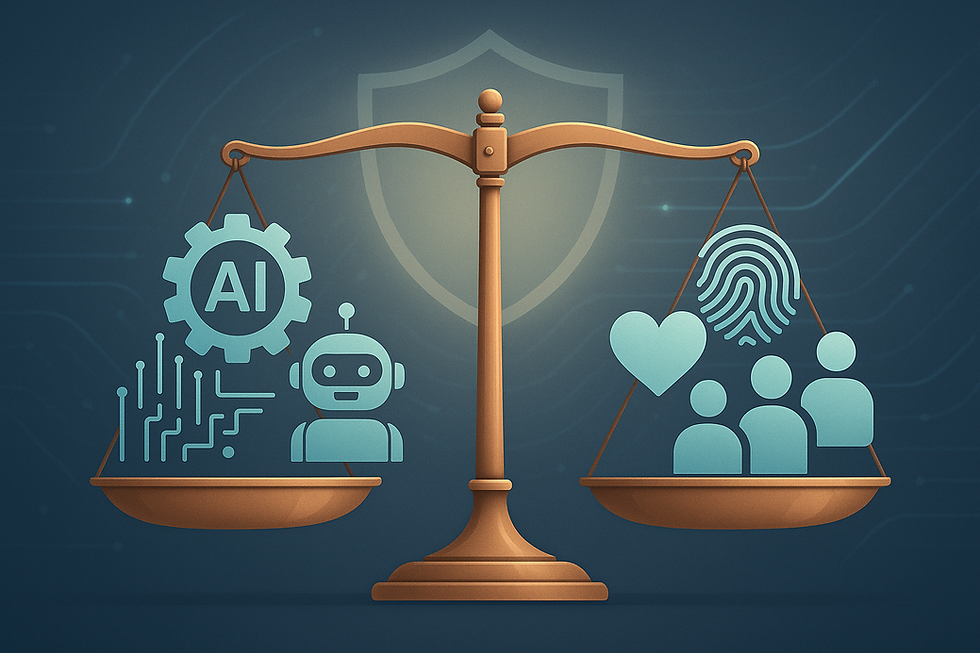
AI isn’t the enemy; it’s how we use it that matters. Marketers must balance AI’s power with respect for people’s rights. Laws like GDPR help, but real progress comes from brands taking responsibility themselves.
Treat customers like real people: respect privacy, check for bias, and be transparent. However, when you combine the power of AI with human judgement and emotion, marketing becomes a powerful approach to creating meaningful relationships that last.
-------------------------------------------------------------------------------------------------------------
Want to use AI responsibly in your marketing? 👉 Visit us now at https://www.thedigitalmarketingcrew.com/ to download our free guide on ethical AI strategies today!
(Disclaimer: This content is for the sole purpose of teaching and learning at Edith Cowan University.)
- 10694720


Comments