


Why Emotional Storytelling is the Key to Building Trust for Health Brands
Why Your Gut Health Brand Needs Emotional Storytelling (And How to Start Today)
In Australia's growing health and wellness market, standing out online is harder than it looks. Health consumers are not simply searching for products. They are looking for solutions to deeply personal, everyday struggles. Bloating, fatigue, and IBS symptoms are not just physical inconveniences. They affect how people feel about themselves and how they get through the day. That is where emotional storytelling becomes a genuinely valuable digital marketing tool.
The Case for Emotional Content
Emotional content consistently outperforms purely informational content in digital marketing. When an audience feels understood rather than simply informed, they are more likely to trust the brand, share its content, and take action. Kotler, Kartajaya and Setiawan (2021) argue that brands that build genuine emotional connections with their consumers tend to achieve stronger long-term loyalty than those that focus only on product features or clinical evidence. For health brands in particular, this emotional connection is critical, because purchase decisions in this space are often driven by frustration, hope, or a desire to feel better.
Four Practical Strategies for Health Brands
First, lead with the customer's problem, not the product. Opening content with a recognizable pain point, such as "tired of bloating controlling your day?" will connect far more effectively than starting with a product description. Second, use real voices wherever possible. Genuine customer stories about managing gut health or IBS symptoms build trust faster than any polished advertisement because they demonstrate real outcomes. Third, humanize your brand language. Communicating in a warm and conversational tone, rather than relying on clinical terminology, reduces the distance between the brand and the buyer. Fourth, invest in visual content. Images and short videos that carry emotional weight generate significantly higher engagement on social media platforms (Chaffey and Ellis-Chadwick, 2022).
A Real Example: Your Gut
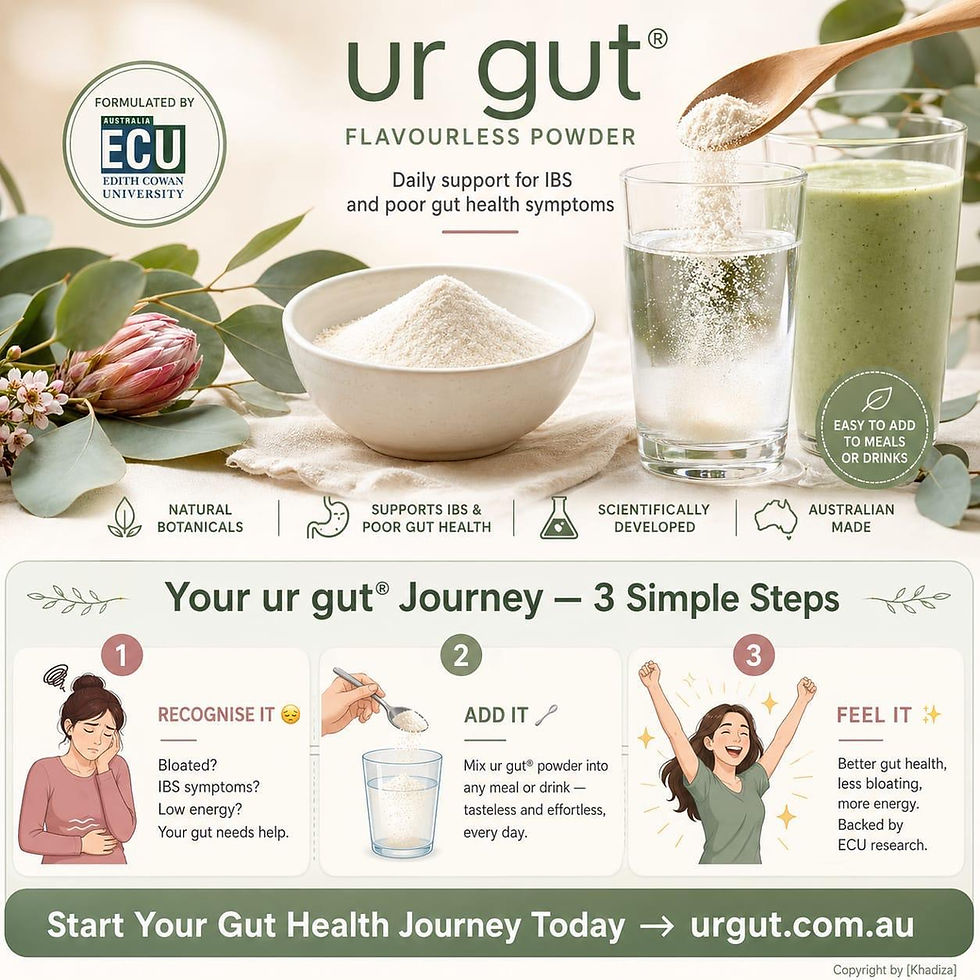
Ur Gut (urgut.com.au) is a flavorless dietary fiber powder developed by scientists at Edith Cowan University to support gut health and help manage IBS symptoms. It is the kind of product with a genuinely compelling story to tell. Rather than leading with ingredient names or laboratory results, an emotionally driven campaign might say, "Developed by Australian researchers who understand what IBS actually feels like, Ur Gut fits into your life without changing it." This positions the brand not as a supplement, but as a scientifically credible and personally supportive partner in the customer's health journey.
Ready to Transform Your Brand's Digital Strategy?
Start today. Identify one genuine pain point your customer faces and build a single piece of emotional content around it. Publish it, observe the response, and refine from there. That is the kind of content marketing that actually builds an audience and converts readers into customers.
Learn more about research-backed gut health support at https://urgut.com.au
(Disclaimer: This content is for the sole purpose of teaching and learning at Edith Cowan University.)


Comments