


Why Culturally Appropriate Aged Care is Important for Multicultural Families in Perth
For many older people, aged care is about so much more than practical support. It is also about feeling understood, respected and connected to the people, language, traditions and values that have shaped their lives. For multicultural families in Perth, culturally appropriate aged care can help make care feel more personal, reassuring and dignified.
Culture and identity matter as people age
Our cultural identity often stays closely connected to everyday routines, food, language, family roles, faith, celebrations and ways of communicating. And as people age, these familiar parts of life can become even more important.
When aged care services recognise and respect these preferences, older people may feel more comfortable and confident in the care they receive. Small things can matter. Being able to speak a language of choice, eat familiar food, observe cultural or religious customs or have family involved in important decisions may all be important.
Culturally appropriate care is not about assuming based on someone’s background. It is about listening, asking respectful questions and understanding each person as an individual.
Language, family and trust can shape the care experience
For many culturally and linguistically diverse families, language can affect the ease with which older people understand information, articulate their needs and develop trust with caregivers and service providers. Clear, respectful communication can help reduce confusion and make for better conversations about care.
Family members can play an important role in supporting older relatives and being involved in aged care decisions for multicultural families in Perth. Good aged care recognises that family carers can be important partners while still respecting the older person’s choices, dignity and independence.
How AfCAS supports culturally appropriate aged care
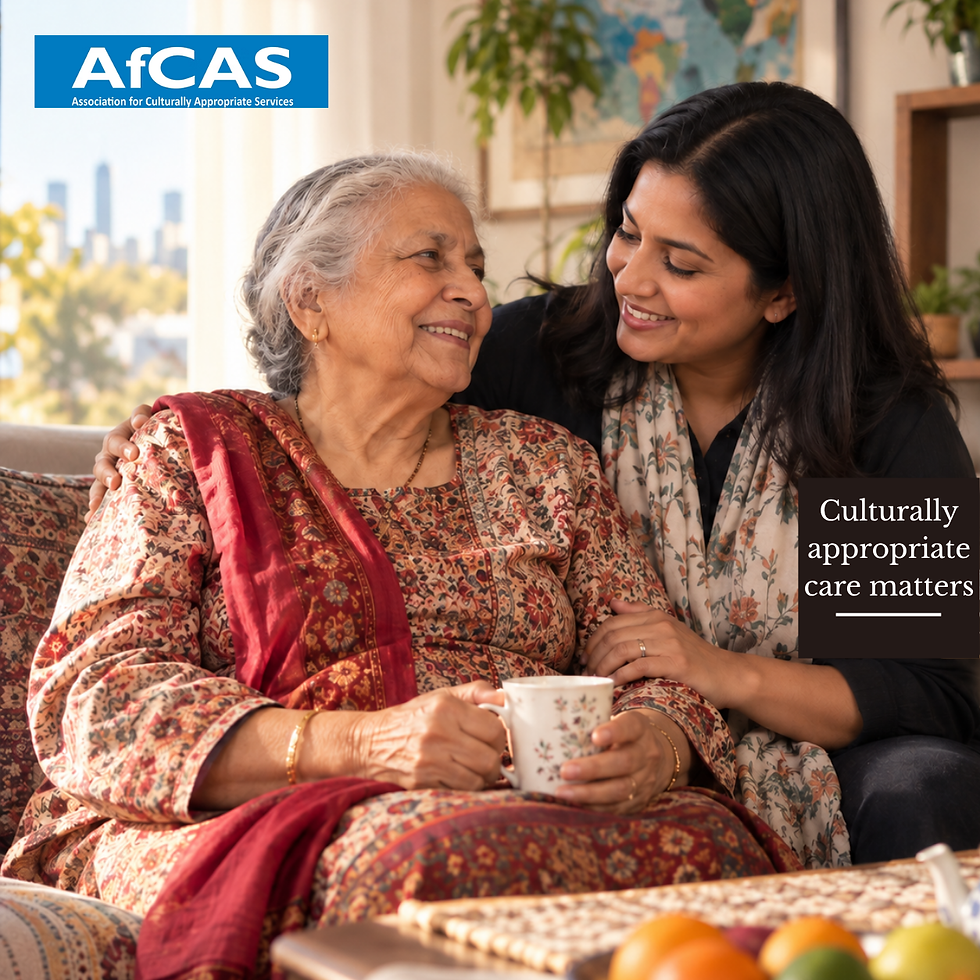
The Association for Culturally Appropriate Services (AfCAS) supports better understanding of culturally appropriate care for older people from diverse backgrounds. AfCAS provides training, support and advocacy that help to develop awareness of cultural and communication needs that can affect the aged care experience.
Learning more about culturally appropriate aged care can help families and community members ask informed questions, recognise what respectful care looks like and advocate for the needs of an older family member.
For more information on AfCAS and its work and resources, visit www.afcas.net.
Amirhossein
(Disclaimer: This content is for the sole purpose of teaching and learning at Edith Cowan University).


Comments